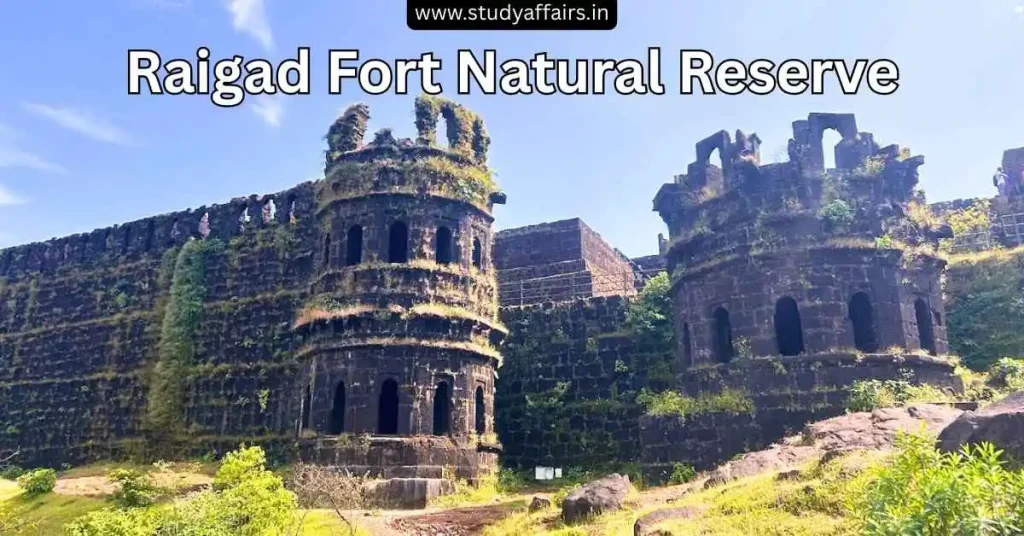
The Raigad Fort Natural Reserve is a breathtaking fusion of Sahyadri landscapes, biodiversity, and Maratha heritage. Whether you’re a trekker, history enthusiast, or nature lover, this region surrounding the legendary Raigad Fort in Raigad, Maharashtra offers something unforgettable. This guide covers the ecology, trekking details, travel tips, historical insights, and everything you need to plan a perfect visit.
What Is the Raigad Fort Natural Reserve?
The Raigad Fort Natural Reserve refers to the protected forests, valleys, wildlife habitats, and scenic trails surrounding Raigad Fort. While the fort is famous for its role in the Maratha Empire, the surrounding natural ecosystem is equally significant and ideal for eco-tourism.
Historical Significance of Raigad Fort
A Royal Capital in the Clouds
Raigad Fort was the capital of the Maratha Empire and the coronation site of Chhatrapati Shivaji Maharaj in 1674. Built strategically atop a hill at 2,700 feet, the fort served as a stronghold and administrative center. Today, it remains a symbol of pride, courage, and architectural brilliance.
Why the Natural Reserve Matters
The conservation zone around the fort exists to:
- Protect endangered flora
- Conserve wildlife habitats
- Prevent soil erosion and deforestation
- Promote sustainable, responsible tourism
- Preserve the beauty of the Western Ghats
It plays a crucial role in supporting biodiversity and maintaining ecological balance.
Location, Accessibility & Key Distances
Raigad Fort is located in Raigad district, Maharashtra, surrounded by dense forest and valleys.
- Pune to Raigad Fort distance: ~130 km
- Raigad Fort distance from Mumbai: ~170 km
- Raigad Fort height: ~2,700 ft (820 m)
The starting point for visitors is Pachad Village, which leads directly to the fort’s steps and ropeway.
Exploring the Raigad Fort Natural Reserve
1. Forests of the Sahyadri Range
The natural reserve features a blend of evergreen and deciduous forests. During monsoon, the trails come alive with mist, greenery, and flowing streams.
Flora you may encounter:
- Teak
- Mango trees
- Bamboo
- Wild figs
- Jamun
- Medicinal herbs
2. Wildlife Within the Reserve
While not a formal wildlife sanctuary, the area supports diverse species.
Possible wildlife sightings:
- Barking deer
- Indian giant squirrels
- Wild boars
- Mongooses
- Various reptiles
Birds commonly seen:
- Serpent eagles
- Malabar whistling thrush
- Parakeets
- Bulbuls
- Sunbirds
The region is ideal for peaceful nature walks and photography.
3. Scenic Landscapes & Viewpoints
The natural reserve is dotted with breathtaking cliffs, valleys, and seasonal waterfalls.
Must-see viewpoints:
- Takmak Tok – A dramatic cliff with sweeping views
- Hirkani Buruj – Linked to the famous story of Hirkani
- Balekilla viewpoint – Offers majestic panoramas
Monsoon transforms the area into a dreamlike setting.
Raigad Fort Trek: A Signature Experience
The Raigad Fort trek is one of Maharashtra’s most rewarding climbs.
- Difficulty: Easy to Moderate
- Time: 1.5 to 2 hours
- Route: Approx. 1,450 stone steps
Trekkers enjoy shaded paths, forested sections, and historical touchpoints along the way.
Trekking Tips for Visitors
Best Time to Visit
- Oct–Feb: Cool and pleasant
- Jun–Sep: Lush monsoon (but slippery trails)
What to Carry
- Trekking shoes
- Raincoat (monsoon)
- Water & light snacks
- Basic first-aid kit
Do’s for Responsible Trekking
- Respect wildlife
- Avoid plastic
- Stay on marked trails
- Do not play loud music
Ropeway Option
A ropeway is available for visitors who prefer an easier ascent.
Key Attractions Inside Raigad Fort
Your visit to the natural reserve isn’t complete without exploring the fort’s historical landmarks.
Top Places to See:
- Rajwada ruins
- Queen’s Chambers
- Ganga Sagar Lake
- Nagarkhana Darwaja
- Raj Bhavan
- Raigad Market ruins
- Samadhi of Chhatrapati Shivaji Maharaj
- Takmak Tok
These spots help visitors understand why Raigad is central to Raigad Fort information in Marathi and English.
Eco-Friendly Tourism at Raigad Fort Natural Reserve
Protecting the region ensures future generations can enjoy its beauty.
How Visitors Can Help
- Use reusable water bottles
- Avoid single-use plastic
- Support local guides and eco-tour operators
- Do not feed wildlife
- Dispose waste responsibly
Eco-awareness is a core part of the Raigad experience.
How to Plan Your Trip: Travel Guide
Reaching Raigad Fort from Pune
Pune – Mulshi – Tamhini Ghat – Mangaon – Pachad
This route is scenic, especially during monsoon.
Reaching Raigad Fort from Mumbai
Mumbai – Panvel – Mahad – Pachad Village
Good road connectivity makes travel smooth.
Stay Options Near Raigad Fort
Visitors can choose from:
Hotels & Resorts
- Mid-range hotels near Pachad
- Eco-resorts around Mahad
Homestays
Affordable stays with authentic Maharashtrian food.
Camping
Seasonal camps are arranged by trekking groups.
Quick Raigad Fort Information (Marathi + English)
Raigad Fort Information in English
- Height: 2,700 ft
- Built: 15th century; fortified by Shivaji Maharaj
- Coronation site of the Maratha Empire
- Known for strategic architecture
Raigad Fort Information in Marathi
- रायगड किल्ल्याची उंची: २७०० फूट
- छत्रपती शिवाजी महाराजांचा राज्याभिषेक येथे झाला
- हिर्कणी बुरुज, टकमक टोक प्रसिद्ध
- रायगड जिल्ह्यातील ऐतिहासिक दुर्ग
Sample 1-Day Itinerary
- 6:00 AM – Leave Pune
- 9:00 AM – Reach Pachad
- 9:15 AM – Begin trek
- 11:00 AM – Explore fort attractions
- 1:00 PM – Lunch
- 2:00 PM – Visit Takmak Tok
- 4:00 PM – Descent / Ropeway
- 7:00 PM – Return to Pune
Perfect for a weekend getaway!
Frequently Asked Questions (FAQs)
It’s the protected natural region surrounding the fort, containing forests, wildlife, streams, and eco-trails.
Approximately 130 km.
The trek is easy to moderate, suitable for beginners.
Around 2,700 feet.
October to February for pleasant weather; monsoon for lush greenery.
Yes, the fort and reserve are family-friendly with proper precautions.
Conclusion
The Raigad Fort Natural Reserve is a rare blend of natural beauty, wildlife, adventure, and deep Maratha history. Whether you’re exploring Raigad Fort information in English or Marathi, trekking the iconic steps, or learning about its ecological importance, the experience is unforgettable. Its forests, viewpoints, and preserved heritage make it a must-visit for travelers seeking nature, culture, and adventure in one place.
Click here to read this article in Hindi.