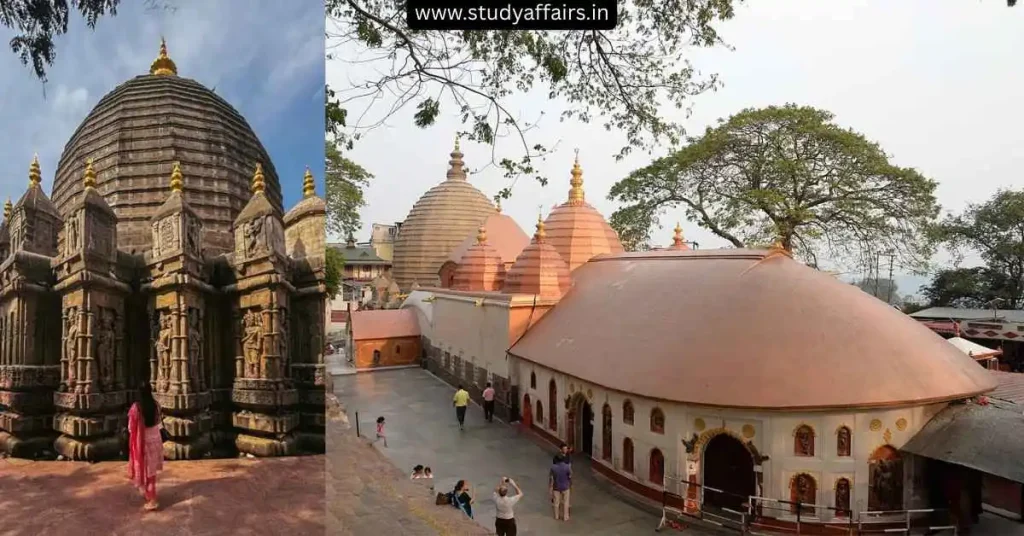
The Kamakhya Temple periods tradition is one of the most fascinating and spiritually significant practices in India. Unlike many cultures where menstruation has historically been surrounded by stigma, the Maa Kamakhya Devi Temple in Assam celebrates it as a symbol of divine feminine power. Every year, thousands of devotees visit this sacred site to honor Shakti, fertility, and womanhood.
In this article, we’ll explore the Kamakhya Temple history, the story behind the temple’s unique menstruation belief, what happens inside Kamakhya Temple, where the Kamakhya Temple is located, temple timings, and what visitors should know before planning a trip.
Let’s dive deep into the mystery and spirituality that make this shrine one of India’s most powerful Shakti Peethas.
Understanding the Kamakhya Temple Periods Tradition
The central belief behind the Kamakhya Temple periods festival-also known as the Ambubachi Mela-is that the goddess Kamakhya, an embodiment of Shakti, undergoes her annual menstruation during a three-day period in the month of June.
Why Menstruation Is Worshipped Here
While menstruation is often misunderstood socially, the Kamakhya tradition interprets it as:
- A symbol of fertility
- The natural cycle of creation
- A divine rejuvenation process
- A reminder of the goddess’s life-giving power
This makes the Kamakhya Temple menstruation belief one of the rare religious traditions where women’s biological processes are celebrated, not hidden.
Where Is Kamakhya Temple Located?
Many people first ask: Where is Kamakhya Temple?
The temple sits atop Nilachal Hill in Guwahati, Assam, overlooking the majestic Brahmaputra River. Its serene natural surroundings add to the temple’s mystical aura and draw both pilgrims and tourists throughout the year.
How to Reach the Temple
- By Air: Guwahati Airport (Lokpriya Gopinath Bordoloi Airport) is 20 km away.
- By Train: Guwahati Railway Station is just 8 km from the hill.
- By Road: Local taxis, auto-rickshaws, and buses are easily available.
Reaching the temple involves a short climb or the option of taking shared jeeps up the hill.
The Kamakhya Temple Story: The Legend Behind the Shrine
No discussion of the Kamakhya Temple periods tradition is complete without understanding the mythology behind the temple.
The Story of Sati and Shiva
According to Hindu mythology:
- Goddess Sati immolated herself after being insulted by her father, Daksha.
- A grief-stricken Lord Shiva carried her body across the universe.
- To restore cosmic balance, Lord Vishnu released his Sudarshan Chakra, dismembering Sati’s body.
- The parts fell across India-creating the 51 Shakti Peethas.
At Kamakhya, it is believed that Sati’s womb and yoni (symbol of creation) fell. This is why the temple is deeply connected with fertility, creation, and Shakti worship.
What’s Inside Kamakhya Temple?
Visitors are often surprised that there is no idol inside Kamakhya Temple.
Instead, the main sanctum houses a naturally occurring stone formation shaped like a yoni, continuously bathed by an underground spring. The sacred spring keeps the area moist year-round.
During the Ambubachi festival, however, the spring’s water reportedly turns slightly reddish – symbolizing the goddess’s menstrual cycle.
What Devotees Experience Inside the Shrine
- Complete darkness except for oil lamps
- A cave-like descent to the sanctum
- A peaceful, mystic atmosphere
- Priests offering spring water and blessings
This makes the temple’s ambience uniquely powerful compared to other Shakti Peethas.
The Ambubachi Mela: Celebrating Kamakhya Temple Menstruation
The annual Ambubachi Mela is the highlight of the temple’s traditions.
What Happens During the Festival?
- The temple remains closed for three days, symbolizing the goddess’s menstruation.
- Devotees wait outside, observing a period of abstinence and purity.
- On the fourth day, the temple reopens with grand celebrations.
- Special prasad called “rakta bastra” (holy red cloth) is distributed, believed to bless devotees with fertility, prosperity, and protection.
Why People Attend
- To receive blessings for starting a family
- To cleanse negative energies
- To experience a deep spiritual connection
- To participate in India’s largest tantric festival
More than a pilgrimage, the Ambubachi festival becomes a heartfelt celebration of womanhood.
Kamakhya Temple History: Architecture and Evolution
The Kamakhya Temple history spans several centuries and carries layers of cultural influence.
Early Origins
Scholars believe the temple existed as early as the 7th century. However, much of it was reconstructed in the 17th century by the Ahom kings after earlier destruction.
Architectural Features
- Nilachal-style architecture
- Shikhara (tower) resembling a beehive
- Beautiful sculpted panels
- Clustered domes and smaller shrines
Inside, the sanctum remains uniquely natural rather than artificial, preserving the ancient essence of Shakti worship.
Kamakhya Temple Timings for Visitors
Visitors often ask about Kamakhya Temple timings to plan their day efficiently. Here are the general timings:
- Morning opening: 5:30 AM
- Shringaar/puja: 7:00–9:00 AM
- Daytime darshan: 9:00 AM–1:00 PM
- Reopens for evening: 2:30 PM
- Evening aarti & closing: 5:30–7:30 PM
Tip: Timings may vary on festival days, so checking local updates is recommended.
Tips for Visiting Kamakhya Temple
Whether you’re going for spiritual reasons or cultural curiosity, here are practical suggestions to make your visit smoother:
1. Start Early
Queues can be long, especially on weekends and during festivals.
2. Dress Comfortably and Respectfully
Light cotton clothes and comfortable shoes work best for the climb.
3. Carry Minimal Belongings
Security checks can take time; keeping essentials only is helpful.
4. Hire a Guided Tour (Optional but Helpful)
A local guide can explain rituals, history, and lesser-known parts of the temple.
5. Avoid the Ambubachi Mela if You Prefer Quiet Visits
The festival is fascinating but extremely crowded.
Why the Kamakhya Temple Periods Tradition Matters Today
The celebration of menstruation at Kamakhya challenges long-held taboos and opens a powerful dialogue about feminine energy, dignity, and acceptance.
Key Lessons Modern Society Can Learn
- Menstruation is natural and sacred-not impure.
- Women’s biological cycles are connected with creation and life.
- Ancient Indian traditions, at times, held more progressive views than modern society.
Kamakhya serves as both a spiritual destination and a social reminder of equality and respect.
The Spiritual Power of Kamakhya Temple Periods
The Kamakhya Temple periods tradition offers a rare and beautiful perspective-one that honors menstruation as divine and celebrates the power of creation. From its ancient legends to the sacred spring inside Kamakhya Temple, every part of the experience connects devotees with the goddess’s strength.
Whether you’re drawn by the unique Kamakhya Temple story, its history, or its cultural significance, a visit to the Maa Kamakhya Devi Temple is truly unforgettable. Understanding the temple’s beliefs about menstruation helps us appreciate both spiritual symbolism and modern conversations around feminine health.
FAQs About Kamakhya Temple Periods
It symbolizes the goddess Kamakhya’s fertility cycle, honoring the divine feminine and the power of creation.
No. The sanctum contains a naturally shaped stone yoni bathed by an underground spring.
It is located on Nilachal Hill in Guwahati, Assam.
Every year in June, marking the goddess’s three-day menstruation.
Generally: 5:30 AM to 1 PM, and then 2:30 PM to 7:30 PM.
Yes, Guwahati is a well-connected and safe city, though usual travel precautions are advised.
Click here to read this article in Hindi.


